Behind the Scenes: How Creative Direction Shapes a Music Video
What Creative Direction Actually Means in a Music Video
Creative direction is the overarching vision that unifies every visual element of a music video — it is not the same as directing, producing, or styling, though it touches all three. Where a director calls shots and manages the technical execution of a scene, the creative director defines what the video should feel like before a single frame is captured.
Think of it as the difference between building a house and deciding what kind of life will be lived inside it. A director builds. A creative director decides the soul of the space.
For an artist like HXLT, whose sound sits at the intersection of alternative hip-hop, punk energy, and raw rap delivery, creative direction isn't a marketing function — it's an extension of the music itself. It's the visual argument that says: this is the world this sound comes from. Every wardrobe choice, every location, every frame rate decision is part of that argument.
Creative direction also differs from art direction, which is more narrowly focused on set design, props, and physical aesthetics. Creative direction is upstream of all of that — it's the conceptual layer that gives art direction its purpose.
Starting With the Sound: How the Music Drives Visual Decisions
The track always comes first. Before any location is scouted or camera is rented, the music itself tells you what the video needs to look like.
Tempo dictates pacing. A slow, distorted track with heavy bass suggests long takes, static frames, and deliberate cuts. A frantic punk-rap hybrid with clipped verses and aggressive energy calls for handheld cameras, fast cuts, and visual chaos that mirrors the sonic density. These aren't stylistic preferences — they're structural responses to what the music is already doing.
Lyrical content layers on top of that. If the lyrics are confessional and inward-facing, the visual language should probably feel close and intimate — tight close-ups, minimal distance between the camera and the subject. If the themes are confrontational or outward-facing, you might want wide shots that put the artist in context, in a space, against something.
HXLT's genre context matters here. Alternative hip-hop and punk share a rejection of polish for its own sake. The aesthetic isn't about looking expensive — it's about looking honest. Grain, contrast, raw performance energy — these aren't limitations, they're deliberate signals to the audience about what kind of artist they're watching.
Building a Visual World: Mood Boards, References, and Aesthetic Choices
Pre-production is where instinct becomes a plan. The mood board is the primary tool for translating a feeling into a concrete visual direction.
A good mood board for a music video isn't just screenshots from other videos. It pulls from photography, film stills, fashion editorials, paintings, textures, color palettes — anything that captures the emotional register of the track. The goal isn't to copy a reference but to identify why something resonates, then extract that quality and apply it to your own world.
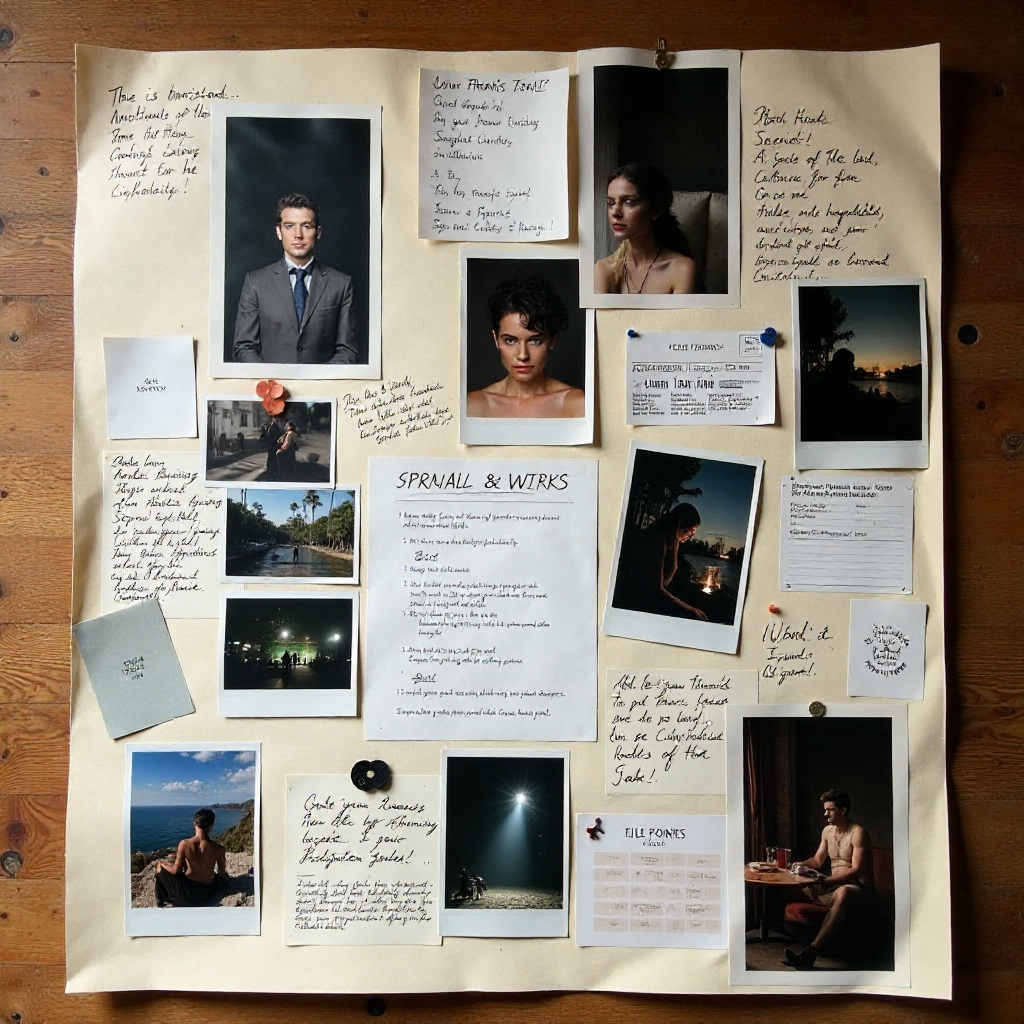
For an independent artist working without a large production team, this stage is especially important. When resources are limited, clarity of vision is what prevents wasted time on set. Every hour spent on a mood board saves two hours of indecision during a shoot day.
Aesthetic choices at this stage include:
- Color palette — warm and saturated, desaturated and cool, high contrast black and white, or something more fragmented
- Texture and grain — digital clean, film grain, VHS degradation, or mixed formats
- Location tone — urban industrial, domestic and claustrophobic, open and exposed, or constructed and surreal
- Performance style — naturalistic and loose, choreographed, confrontational toward camera, or narrative-driven
The storyboarding phase follows — even a rough shot list with sketched frames forces you to think about the video as a sequence, not just a collection of cool images.
On Set: Translating Vision Into Reality
On set, creative direction becomes a live decision-making process. The pre-production work gives you a foundation, but the shoot day will always surprise you.
The creative director's job in the moment is to hold the original vision clearly enough that they can adapt without losing it. A location looks different on the day. The light changes. An artist delivers a take with unexpected energy that's better than what was planned. The question is always: does this serve the concept, or does it pull away from it?
For independent productions, this often means the artist and creative director are the same person — or at minimum, working in very close collaboration with a small crew. That's not a disadvantage. It creates a directness between the person who made the music and the person shaping its visual translation. There's no layer of interpretation to get lost in.
Wardrobe and performance energy are two of the most underestimated elements on set. Wardrobe communicates character and era in a single frame. Performance energy — how an artist holds their body, how they engage with the camera — is the difference between a video that feels alive and one that feels like a product.
The DIY Approach: Making It Work With Limited Resources
Independent and underground artists consistently produce visually compelling work without major-label budgets. The constraint isn't a problem to overcome — it's often what forces better creative decisions.
The most common mistake in low-budget production isn't spending too little. It's trying to replicate high-budget aesthetics with insufficient resources, which results in work that looks like it's reaching for something it can't achieve. The stronger move is to lean into what you actually have.
A single location shot with intention beats five locations shot carelessly. One strong visual concept executed cleanly is more memorable than a video that tries to do six things and lands none of them. This is where creative direction pays off most directly — clarity of concept is the great equalizer between a $500 shoot and a $500,000 one.
Practical tools that work at any budget level:
- Natural light used deliberately (golden hour, harsh midday, overcast diffusion)
- Practical locations with inherent character — warehouses, rooftops, empty parking structures
- A clear color palette maintained across every frame
- Consistent wardrobe that signals the artist's identity without being costume-like
- A shot list that prioritizes two or three strong images over a dozen mediocre ones
The DIY ethos in alternative hip-hop and punk has always been about authenticity over production value. That's not a consolation prize — it's an actual artistic position.
Post-Production as Creative Direction: Color, Cuts, and Final Vision
Creative direction doesn't end when the cameras stop rolling. The edit and color grade are where the visual identity of a video is either confirmed or undermined.
Color grading is one of the most powerful tools available in post-production. A warm, slightly crushed grade with lifted shadows reads completely differently from a cool, high-contrast grade with deep blacks — even if the underlying footage is identical. The grade should be a direct extension of the mood board decisions made in pre-production, not an afterthought applied to fix problems.
Pacing in the edit is equally significant. The cut rhythm should respond to the music — not just hitting on beats mechanically, but breathing with the track's emotional arc. A verse that builds tension might hold on a single shot longer than feels comfortable. A chorus that explodes might cut rapidly. These decisions are creative direction in action.
For artists who are also their own creative directors, the edit is often where the final vision crystallizes. You see what you actually captured versus what you intended, and you make the adjustments that bring the two closer together.
Why Visual Identity Matters as Much as the Music
A consistent, intentional visual identity builds the kind of artist recognition that goes beyond a single song. Audiences don't just remember music — they remember how an artist looks and feels across everything they release.
For HXLT and artists working in alternative hip-hop, punk, and experimental rap spaces, visual identity is part of the cultural signal. It tells the audience which world this music belongs to, who it's for, and what it stands against. That's not branding in the corporate sense — it's artistic positioning.
The videos, the album artwork, the live session aesthetic, the way a performance is filmed — all of it accumulates into a visual language that either reinforces the music or creates friction with it. When it reinforces it, the audience feels the coherence without being able to name it. When it doesn't, something feels off, even if they can't explain why.
Creative direction is the discipline that keeps all of those elements pulling in the same direction. It's not about being visually flashy. It's about being visually consistent and intentional — which is a harder thing to achieve and a more durable thing to build.
Frequently Asked Questions
What is the difference between a music video director and a creative director?
A director manages the technical execution of a shoot — camera angles, blocking, crew coordination. A creative director defines the overarching concept and visual identity that the director then executes. On independent productions, one person often does both, but the roles are conceptually distinct.
How do independent artists develop a visual identity without a big budget?
By choosing clarity over complexity. A strong, consistent aesthetic — defined color palette, recurring visual motifs, deliberate location choices — creates identity more effectively than expensive production value. The constraint forces specificity, which is usually more interesting anyway.
How early in the process should creative direction begin?
Ideally, creative direction begins the moment a track is finished — or even during the recording process. The earlier the visual concept is developed alongside the music, the more coherent the final result. Treating the video as an afterthought is the most common source of visual-audio disconnect.
Can an artist be their own creative director?
Yes, and in independent music, it's often the most authentic approach. The artist has the deepest understanding of what the music means and what world it comes from. The challenge is maintaining enough critical distance to evaluate the work objectively — which is where a trusted collaborator or second set of eyes becomes valuable.
How does genre like alternative hip-hop or punk influence visual choices in music videos?
Genre carries visual conventions that audiences read instinctively. Alternative hip-hop and punk both signal authenticity through rawness — grain, handheld camera movement, practical locations, non-commercial aesthetics. Leaning into those conventions connects the work to a lineage and a community. Ignoring them without a clear reason creates a disconnect between the sound and the image.