Top 10 Punk-Rap Hybrid Albums You Need to Hear Right Now
What Makes a Great Punk-Rap Hybrid Album?
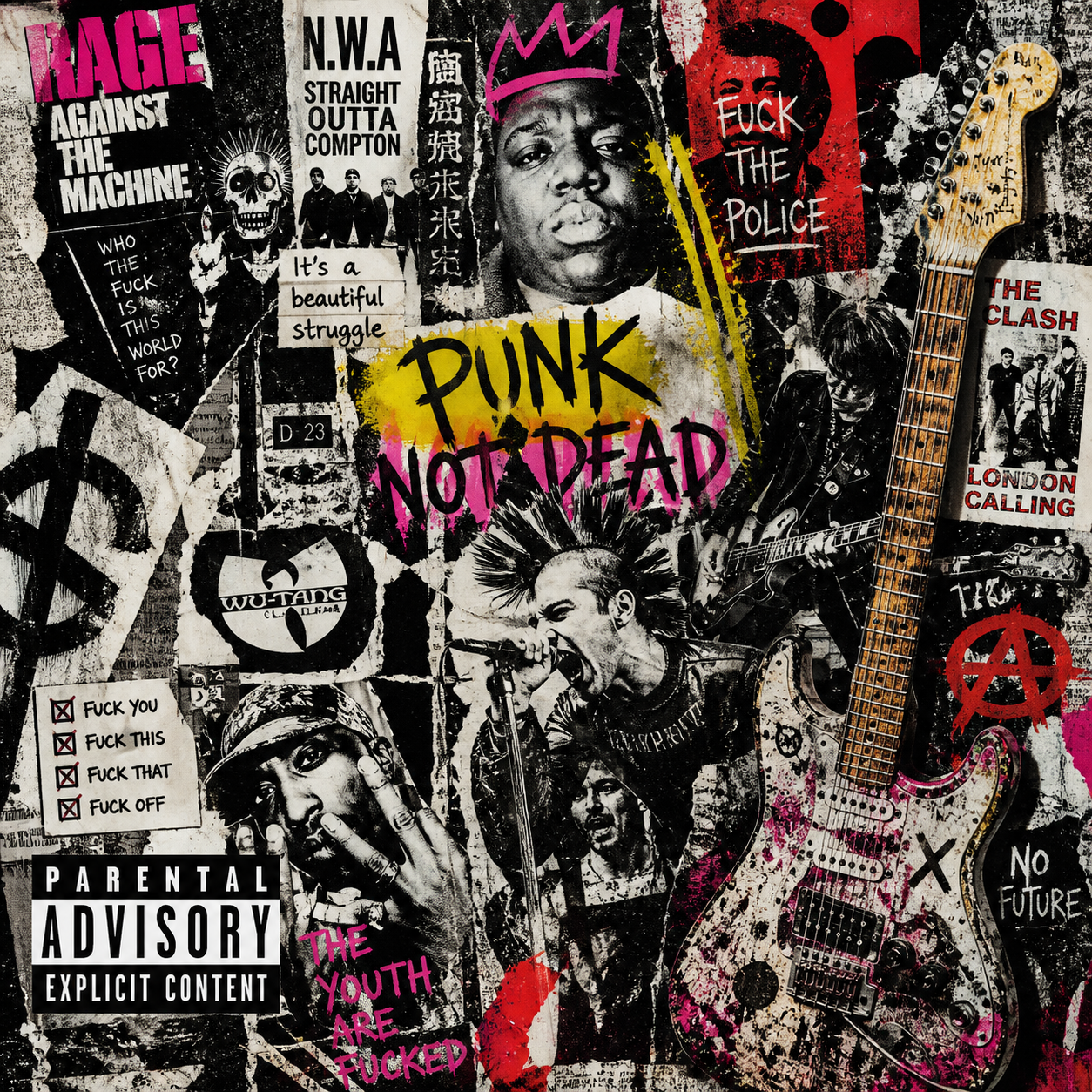
A great punk-rap hybrid album fuses the raw energy and rebellion of punk with the rhythmic lyricism and production craft of hip-hop. The result isn't just a genre mashup — it's a collision of two countercultural movements that share more DNA than most people realize.
At the sonic level, you're typically hearing distorted guitars layered over hip-hop drum patterns, or lo-fi production that borrows the abrasive textures of hardcore punk while keeping bars front and center. Tempo matters too — these records often run faster and harder than standard rap, with vocal delivery that sits somewhere between spitting and screaming.
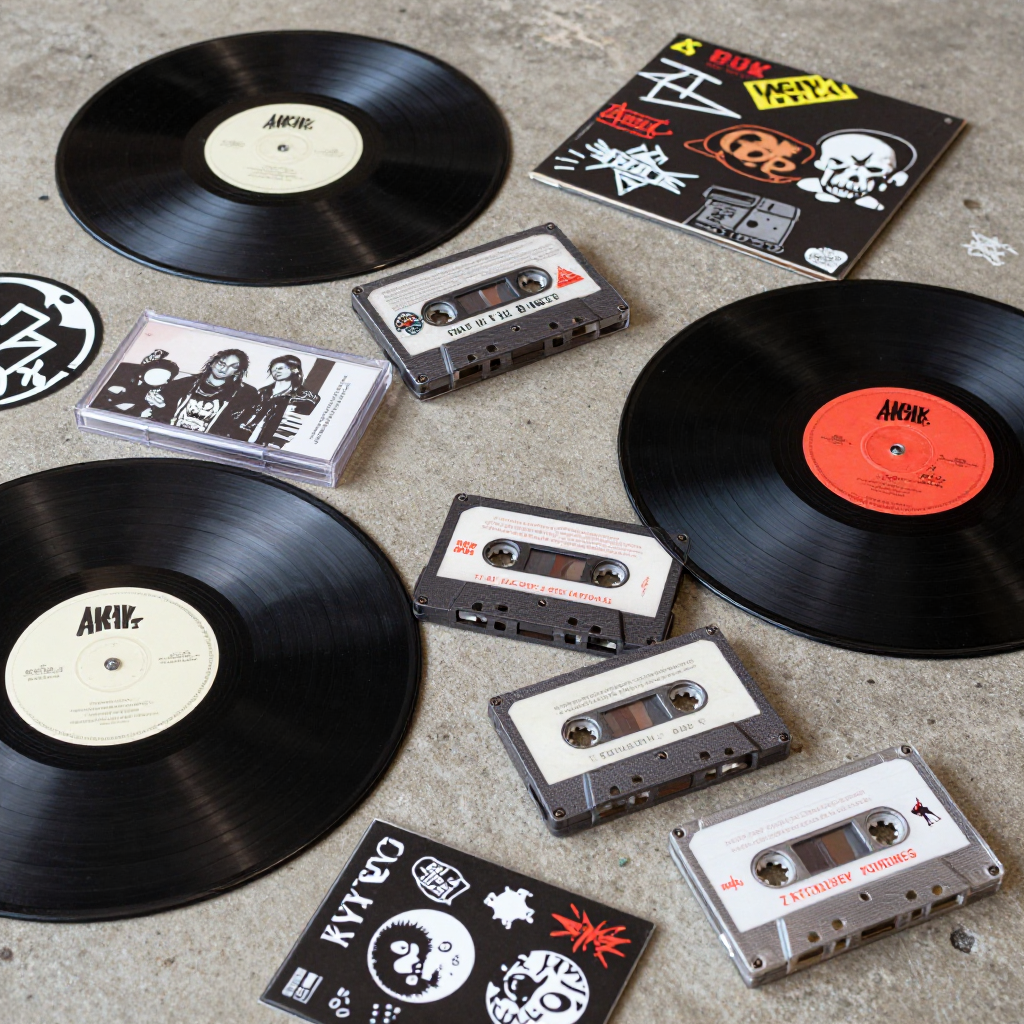
Culturally, the through-line is the DIY ethos. Both punk and rap emerged from communities that were locked out of mainstream industry pipelines. They built their own stages, pressed their own records, and said exactly what they wanted without asking permission. That attitude is the emotional core of every album on this list.
What separates a genuinely great punk-rap record from a gimmick is cohesion. The best ones don't feel like two genres stitched together — they feel like a single, unified statement.
A Brief History of Punk Meeting Hip-Hop
These two genres started converging in the early 1980s, well before most people think. The subculture fusion happened organically in cities like New York, where punk venues and hip-hop block parties sometimes shared the same neighborhoods — and occasionally the same audiences.
The Clash were sampling and rapping on Sandinista! in 1980. Run-DMC and Aerosmith's "Walk This Way" in 1986 brought the crossover to mainstream attention, but that was commercial surface tension. The real underground work was happening in places like the Beastie Boys' early hardcore sets, or in the noise-rap experiments coming out of independent labels in the late 80s and early 90s.
By the mid-90s, acts like Rage Against the Machine, Biohazard, and early Cypress Hill were each pulling the threads in different directions. The underground rap scene was developing its own strand of this fusion — artists who grew up on both Black Flag and Public Enemy and saw no contradiction in that. That generation produced some of the most interesting, least commercially compromised music of the era.
The 2000s brought another wave through artists like Death Grips, Ho99o9, and Show Me the Body, who pushed the fusion into genuinely abrasive, experimental territory. Today, the lineage is alive and evolving.
The Top 10 Punk-Rap Hybrid Albums
This list spans decades and regional scenes, mixing cult classics with underground essentials. The goal is range — so whether you're coming from hip-hop or from punk, there's an entry point here.
1. Beastie Boys – Licensed to Ill (1986)
The record that proved the crossover had commercial legs without losing its teeth. Hardcore punk energy delivered through rap verses, with sampling and live instrumentation colliding in ways that still sound chaotic and deliberate at the same time. The Beastie Boys weren't cosplaying punk — they came from it.
2. Rage Against the Machine – Rage Against the Machine (1992)
Tom Morello's guitar work redefined what distorted guitars could do in a rap context. Zack de la Rocha's delivery is pure lyricism and rebellion — politically sharp, rhythmically precise. This album remains one of the most sonically coherent fusions ever recorded.
3. Death Grips – The Money Store (2012)
Released on an independent label after the band leaked it themselves, this record is abrasive, paranoid, and relentlessly forward. MC Ride's vocal delivery borrows more from hardcore screaming than from traditional rap cadences. The production is industrial-grade noise-rap that owes as much to punk's confrontational spirit as to hip-hop's structural logic.
4. Ho99o9 – United States of Horror (2017)
Newark's Ho99o9 (pronounced "Horror") make music that sounds like a mosh pit inside a hip-hop cypher. This debut full-length is raw, theatrical, and genuinely unsettling — a product of the underground rap scene that refuses any clean genre label. The energy and aggression here are unmatched.
5. Biohazard – Urban Discipline (1992)
Brooklyn hardcore meets East Coast rap in one of the most authentic fusions of the era. Biohazard weren't a rap-rock act chasing trends — they were a hardcore band who grew up alongside hip-hop and let both inform their sound equally. The result is dense, physical, and still holds up.
6. Show Me the Body – Body War (2016)
A short, punishing record from a New York band who treat the banjo like a weapon and rap like a confrontation. Body War is lo-fi production at its most intentional — the roughness isn't a budget limitation, it's an aesthetic choice. This is alternative hip-hop at its most uncompromising.
7. Injury Reserve – Injury Reserve (2019)
Phoenix's Injury Reserve don't sound like punk on the surface, but the confrontational structure, the refusal to be comfortable, and the DIY ethos running through every production choice put them squarely in this lineage. Their self-titled record is disorienting in the best way.
8. Refused – The Shape of Punk to Come (1998)
Technically a hardcore record, but the hip-hop influence on rhythm, flow, and production is explicit and acknowledged. Refused were doing something that most punk bands wouldn't admit was possible — making punk smarter by borrowing from rap's structural vocabulary.
9. Clipping. – Splendor & Misery (2016)
Daveed Diggs rapping over noise and industrial production that would feel at home on a power electronics record. Clipping. consistently push alternative hip-hop into territory that shares more with experimental punk than with commercial rap. This concept album is their most cohesive statement.
10. Ghostemane – Anti-Icon (2020)
A polarizing but genuinely interesting record that opens with trap and ends in metalcore, with punk-rap territory covered in between. The production on the middle section — distorted guitars, aggressive drum programming, raw vocal delivery — earns its place on this list.
What These Albums Have in Common
Across these ten records, a few patterns repeat consistently. First, production aggression — whether through distorted guitars, noise sampling, or abrasive mixing choices, none of these albums are designed to be comfortable background listening. They demand attention.
Second, the lyrical stance. Lyricism and rebellion aren't separate concerns here — they're the same thing. Every album on this list has something to say, and the delivery method is part of the argument. The voice is never passive.
Third, independent infrastructure. Most of these records came out on independent labels or through self-released channels. That's not coincidence — the punk-rap crossover has always found more creative freedom outside major label systems, where no one is asking you to sand down the edges.
Finally, these albums treat genre as a tool rather than a box. The artists aren't trying to satisfy a format — they're solving a creative problem, and they're using whatever sounds get them there.
How to Get Into Punk-Rap If You're New to the Genre
The easiest entry point depends on which side of the fence you're coming from. Start with what's familiar, then let the albums on this list pull you toward the other side.
- If you come from hip-hop: Start with Death Grips' The Money Store or Injury Reserve's self-titled. Both are rooted in rap structure but push the production and delivery into punk territory gradually enough that the transition feels natural.
- If you come from punk or hardcore: Rage Against the Machine's debut is the obvious bridge. Biohazard's Urban Discipline is a close second — it's hardcore first, but the hip-hop influence is undeniable.
- If you want the deep underground: Ho99o9 and Show Me the Body are where the genre gets genuinely strange and interesting. Neither is an easy listen on first pass, but both reward patience.
Don't try to consume everything at once. Pick one album, sit with it for a week, and let it recalibrate your ear. Punk-rap rewards repeated listening more than most genres — the details that seem like noise on first listen often turn out to be the most deliberate choices on the record.
Following the artists' broader catalogs also helps. Most of the acts on this list have extensive discographies that map the full range of the genre's possibilities.
Where Punk-Rap Sits Within Alternative Hip-Hop Today
Punk-rap is one of the most creatively fertile corners of the alternative hip-hop landscape right now. The genre has moved well beyond its 90s rap-rock crossover associations and into something more experimental, more politically urgent, and more sonically diverse.
The current generation of artists — Show Me the Body, Ho99o9, Jpegmafia, and others working in adjacent spaces — are building on the DIY infrastructure and confrontational attitude of their predecessors while pushing the production language into new territory. Sampling and live instrumentation coexist with digital noise and field recordings. The subculture fusion that defined the genre's origins has expanded to include industrial, noise rock, and experimental electronic music.
Within alternative hip-hop broadly, punk-rap occupies a specific role: it's the genre's most abrasive edge, the space where the music refuses to be palatable. That's not a limitation — it's the point. The best punk-rap albums remind listeners that music can be genuinely confrontational, that rebellion isn't just an aesthetic, and that the DIY ethos produces some of the most interesting art precisely because no one is asking it to be commercially viable.
If you've worked through this list and want more, the underground is deep and actively producing. The genre isn't a 90s artifact — it's a living tradition.
Frequently Asked Questions
What is punk-rap and how is it different from rap-rock?
Punk-rap blends the DIY ethos, aggression, and speed of punk with hip-hop's rhythmic structure and lyricism. Rap-rock typically centers on rock instrumentation with rapped vocals layered over it — it's more about the sound. Punk-rap is as much about attitude and cultural positioning as it is about sonic choices. The distinction matters because punk-rap tends to come from independent, underground contexts, while rap-rock has stronger commercial associations.
Are punk-rap albums considered part of alternative hip-hop?
Yes, generally. Alternative hip-hop is a broad umbrella that covers any hip-hop work operating outside mainstream conventions, and punk-rap fits that definition clearly. Many of the genre's key artists — Death Grips, Clipping., Injury Reserve — are regularly discussed within the alternative hip-hop context.
Which punk-rap artists should I follow today?
Show Me the Body, Ho99o9, Jpegmafia, Ghostemane, and Clipping. are all active and releasing work. Each takes the genre in a different direction, so following all of them gives you a wide view of where punk-rap sits in 2026.
Do punk-rap albums use live instruments or samples?
Both, depending on the artist and era. Rage Against the Machine and Biohazard are live-instrument-first. Death Grips and Clipping. rely more heavily on sampling, digital production, and noise manipulation. Many artists combine the two — sampling and live instrumentation often coexist on the same record.
Is punk-rap still being made, or is it mostly a 90s and 2000s thing?
It's very much still being made. The genre has arguably become more interesting since the 2010s, with artists pushing further into experimental territory than the earlier rap-rock crossover era allowed. The underground rap scene continues to produce punk-rap work with genuine creative ambition.