Essential Albums That Redefined Alternative Hip-Hop: A Listener's Guide to the Genre's Most Boundary-Breaking Records
Some albums don't just arrive — they rewrite the rules of what's possible. Alternative hip-hop has always been the space where artists refuse to settle for the obvious choice: the obvious beat, the obvious subject matter, the obvious career path. This guide isn't a ranked list or a museum exhibit. It's a map of the moments when hip-hop got uncomfortable, got weird, got honest, and came out the other side sounding like nothing that existed before it.
What Makes an Album "Alternative" in Hip-Hop?
An alternative hip-hop album is one that prioritizes creative divergence over commercial formula — not because mainstream rap is lesser, but because some artists are asking fundamentally different questions. The term doesn't describe a single sound. It describes a posture: a willingness to risk confusion, rejection, or cult-status obscurity in pursuit of something that feels true.
What unites these records isn't genre purity. It's the refusal to optimize. You'll find lo-fi bedroom recordings sitting alongside orchestral production, abstract lyricism next to raw confessional writing, punk aggression bleeding into jazz-inflected beats. The thread running through all of it is artistic rebellion — the sense that the artist could have made something safer and chose not to.
Alternative hip-hop also tends to carry a DIY ethos borrowed partly from punk and indie culture: independent label releases, self-directed visuals, total creative control even when it costs commercial reach. That ethos shapes not just how albums sound, but how they exist in the world — often discovered slowly, passed between listeners, reappraised years after release.
The Early Blueprints — Records That Broke the Mold First
The foundational alternative hip-hop albums proved the genre could sustain itself outside mainstream structures — and that experimental choices could have genuine cultural staying power.
De La Soul's 3 Feet High and Rising (1989) arrived like a signal from a different planet. The production collaged samples from sources no one had thought to use — French language records, game show audio, folk music — and wrapped them around lyrics that were playful, strange, and deliberately anti-cool at a moment when hip-hop cool was everything. It didn't sound like a genre-defining record. It sounded like three people making exactly what they wanted, which is precisely why it defined a genre.
A Tribe Called Quest's run through the early 1990s deepened that blueprint. Jazz samples, conversational flow, and a political consciousness that never felt like a lecture. These records demonstrated that underground rap could be sophisticated without being inaccessible — a balance that remains genuinely difficult to strike.
What these early records share is the willingness to treat hip-hop as a form of artistic inquiry rather than a commercial product. That distinction still separates the most interesting alternative albums from everything else.
When Punk Met Rap — The Crossover Records That Changed Everything
The punk-rap crossover produced some of alternative hip-hop's most viscerally powerful records — albums where hip-hop absorbed punk's aggression, its contempt for gatekeepers, and its belief that energy matters more than technical perfection.
Rage Against the Machine's self-titled debut (1992) is the obvious landmark, but the more interesting case studies happen at the margins. Death Grips, emerging in the early 2010s, took the collision further than almost anyone: noise, industrial texture, and lyrics that felt genuinely threatening — not in a performative way, but in the way that actual artistic desperation sounds. The Money Store is an album that alienates listeners on purpose and earns their loyalty anyway.
The punk influence on alternative hip-hop isn't just sonic. It's structural. Independent label culture, self-released projects, refusal of industry compromise — these are punk values that migrated into hip-hop and gave artists a different model for how a career could work. You don't need a major label if you're willing to accept a smaller audience that's genuinely invested.
This is the creative territory that artists like HXLT occupy — working at the intersection of punk energy and hip-hop craft, where the DIY ethos isn't a limitation but a deliberate aesthetic and ethical stance. The best punk-rap crossover records don't sound like compromises between two genres. They sound like the only logical place both genres were always headed.
Production as Identity — Albums Where the Beat Was the Statement
In the most significant alternative hip-hop albums, production isn't background — it's the primary artistic act. The beat makes an argument that the lyrics then inhabit.
Madlib's work, particularly the Madvillainy collaboration with MF DOOM, represents this approach at its peak. The production is deliberately fractured — samples cut short before they resolve, beats that shift without warning, textures that feel excavated from forgotten recordings. It demands active listening. You can't have it on in the background. That's a choice, and it's a meaningful one.
Clipping. push this further into noise and abstraction. Their production incorporates industrial sounds, feedback, and dissonance in ways that feel confrontational — and then places precise, technically demanding rap over the top. The contrast is the point. The discomfort is the point.
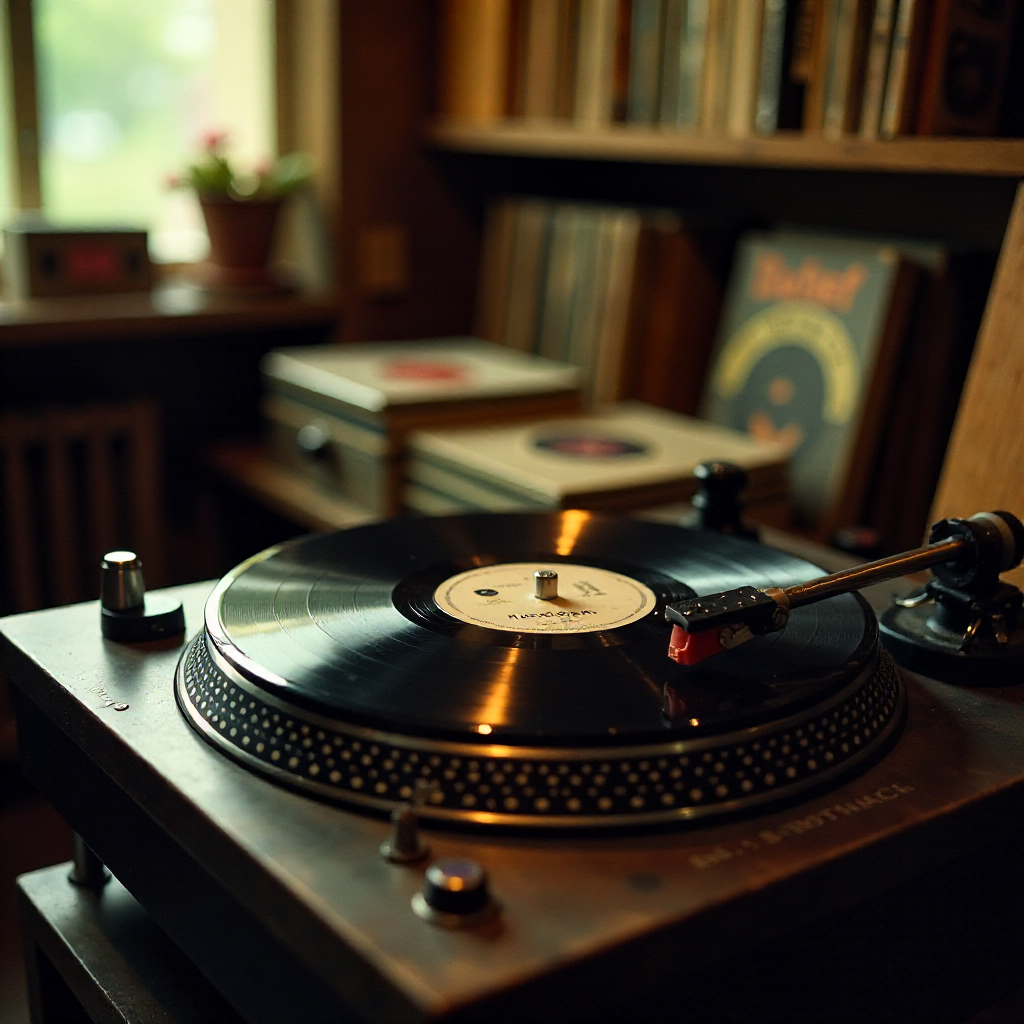
Lo-fi production has its own lineage here: artists recording in bedrooms, embracing tape hiss and imperfection as texture rather than flaw. This approach carries a specific honesty. When you can hear the room a record was made in, you're closer to the actual creative moment — which is exactly what alternative hip-hop tends to value over polish.
Lyricism on the Edge — Albums Built Around Confessional or Abstract Writing
Some alternative hip-hop albums are defined not by how they sound but by what they're willing to say — and how they say it. These records push lyricism into territory that mainstream rap rarely touches: genuine emotional exposure, surrealist imagery, or political writing with real consequences.
Kendrick Lamar's good kid, m.A.A.d city sits at an interesting boundary. Commercially successful, but lyrically operating at a level of narrative complexity and confessional honesty that most artists avoid entirely. The album is structured like a short film, with each track advancing a story that's simultaneously personal and communal. That kind of introspective architecture is rare in any genre.
Further into abstraction, Aesop Rock builds lyrics that require multiple listens to parse — dense with imagery, allusion, and a vocabulary that refuses to simplify itself for accessibility. Whether that's a virtue or a limitation depends on what you want from the music. For listeners who want to work, it's deeply rewarding.
The most powerful confessional rap records — albums where artists document mental health, addiction, grief, or identity with unfiltered directness — have expanded what hip-hop is permitted to discuss. That expansion is one of alternative hip-hop's most lasting contributions to the broader culture.
The Modern Wave — Alternative Hip-Hop's Ongoing Reinvention
Alternative hip-hop keeps redefining itself because the artists working in this space keep asking new questions. The genre isn't a fixed canon — it's an ongoing argument about what rap can be.
The current era has produced artists who treat genre boundaries as essentially meaningless: blending emo, punk, electronic, and hip-hop in ways that would have been unmarketable a decade ago and are now finding genuine audiences. That's partly a streaming effect — niche music can now find its listeners globally — and partly a generational shift in how artists think about identity and influence.
HXLT represents this contemporary moment precisely: an artist working across alternative hip-hop, punk, and experimental rap, with a creative direction that extends beyond music into visual identity and aesthetic cohesion. That holistic approach — where the album artwork, the live sessions, and the production choices all speak the same language — is increasingly how the most interesting alternative artists operate. The music is one part of a larger statement.
What connects the modern wave to the early blueprints is the same thing it's always been: creative risk-taking over commercial optimization, and the belief that an audience willing to follow you into difficult territory is worth more than a larger audience that only wants the familiar.
How to Build Your Own Alternative Hip-Hop Canon
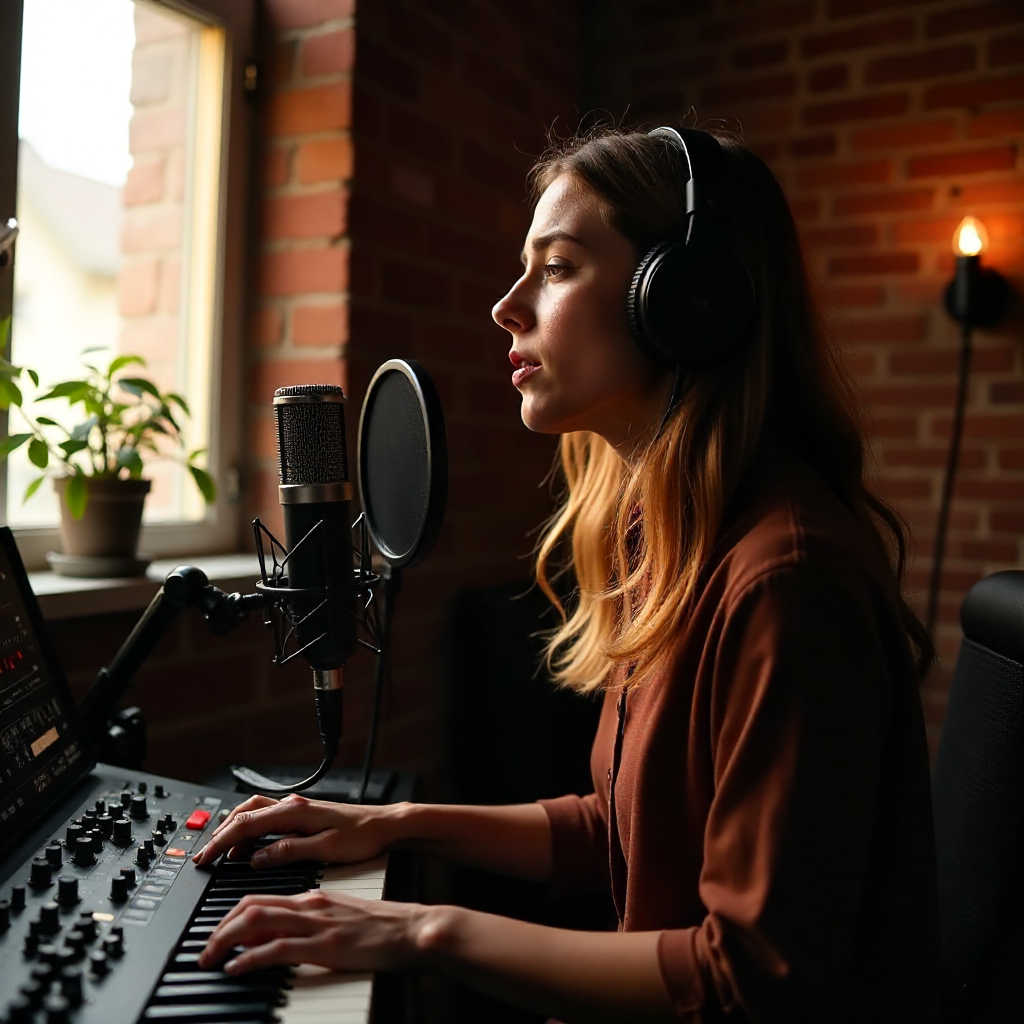
Building a personal alternative hip-hop canon means developing a critical ear rather than just accumulating a playlist. Start with the records that challenge you, not the ones that confirm what you already like.
A practical approach:
- Follow threads, not lists. Find one album that moves you, then trace its influences backward and its descendants forward. That lineage tells you more than any ranked list.
- Give difficult records time. Many of the most significant alternative hip-hop albums don't reveal themselves on a first listen. Madvillainy, for instance, becomes a different record after ten plays than it was after one.
- Pay attention to production credits. Alternative hip-hop's most distinctive voices are often producers — understanding who made the beats opens up entire networks of connected work.
- Read the context. These albums were made at specific cultural moments, often in response to specific pressures. Understanding that context deepens what you hear.
- Trust your discomfort. If an album makes you uncertain whether you like it, that's often a signal worth following. The records that take the longest to understand are frequently the ones that last.
The goal isn't to arrive at a definitive list. It's to develop a relationship with music that rewards attention and risk — which is exactly what the best alternative hip-hop demands from its listeners, and what it gives back in return.
Frequently Asked Questions
What distinguishes alternative hip-hop from mainstream or underground rap?
Alternative hip-hop prioritizes creative experimentation over commercial formula, but it's distinct from underground rap in that it often crosses genre boundaries more aggressively — incorporating punk, jazz, noise, or electronic elements. Underground rap tends to stay within hip-hop conventions while rejecting mainstream aesthetics; alternative hip-hop questions the conventions themselves.
Do alternative hip-hop albums need punk or rock influences to qualify?
No. Punk influence is one thread in a much larger tapestry. Alternative hip-hop albums can draw from jazz, classical, electronic music, spoken word, or noise — the defining quality is creative divergence, not any specific genre fusion. Punk energy shows up frequently because both cultures share a DIY ethos and a contempt for gatekeepers, but it's not a requirement.
Why do so many alternative hip-hop albums develop cult followings years after release?
Because they're often ahead of the cultural moment when they arrive. Records that challenge listeners take time to find their audience — and once that audience forms, it tends to be deeply loyal. Critical reappraisal is common in this space: albums dismissed or ignored on release get rediscovered as the culture catches up to what they were doing.
How does creative direction shape an album's alternative identity?
Visual identity, album artwork, and aesthetic cohesion are increasingly central to how alternative hip-hop artists communicate their vision. The music and the visuals are often inseparable — a carefully constructed aesthetic signals that every choice was intentional, which reinforces the listener's trust in the creative vision as a whole.
Where should a new listener start with alternative hip-hop?
Start with records that have strong melodic or structural anchors before moving into more abstract territory. A Tribe Called Quest's The Low End Theory, Kendrick Lamar's good kid, m.A.A.d city, or Outkast's ATLiens offer entry points that are genuinely experimental without being impenetrable. From there, follow whatever thread interests you most — whether that's deeper lyricism, stranger production, or the punk-rap crossover.