The Evolution of Alternative Hip-Hop: How the Underground Became the New Mainstream
Alternative hip-hop has never been just a sound. It has always been a position — a refusal to accept the commercial blueprint as the only valid path. From basement cyphers and hand-stamped tapes to streaming playlists and festival headliner slots, the genre's journey is one of the more interesting cultural stories of the last four decades. And it is still being written.
What Makes Hip-Hop "Alternative"
Alternative hip-hop is defined by creative stance, not chart position. The label describes artists who reject the dominant commercial formulas of mainstream rap in favor of unconventional production, lyrical depth, and artistic autonomy — regardless of how many streams they accumulate.
This distinction matters. A track can reach millions of listeners and still operate from an alternative sensibility if the artist maintained creative control, took sonic risks, or refused to flatten their voice for broad palatability. The "alternative" tag has never been about obscurity — it has always been about artistic intent.
Production choices signal this immediately. Where mainstream rap often gravitates toward polished, trend-responsive beats, alternative hip-hop tends toward abrasive textures, unconventional sampling, jazz-inflected chords, or deliberately raw sonics. Lyrically, the difference is even sharper: narrative complexity, self-awareness, and a willingness to sit with uncomfortable ideas rather than chase the quotable hook.
The attitude is also structural. DIY culture, independent label relationships, and a skepticism toward major-label interference are embedded in the genre's DNA. These aren't just aesthetic preferences — they are value systems.
The Underground Roots: Where It Started
Alternative hip-hop grew out of the same underground rap scenes that were always one step removed from radio play — and proud of it. In the late 1980s and through the 1990s, cities like New York, Los Angeles, and Chicago developed networks of independent labels, zines, and word-of-mouth distribution that operated entirely outside the major-label system.
Labels like Rawkus Records, Rhymesayers Entertainment, and Def Jux became essential infrastructure for artists who had no interest in chasing commercial viability. These weren't consolation prizes for artists who couldn't get signed elsewhere. Many actively chose this path. DIY culture gave artists control over artwork, messaging, and sonic direction that major deals rarely offered.
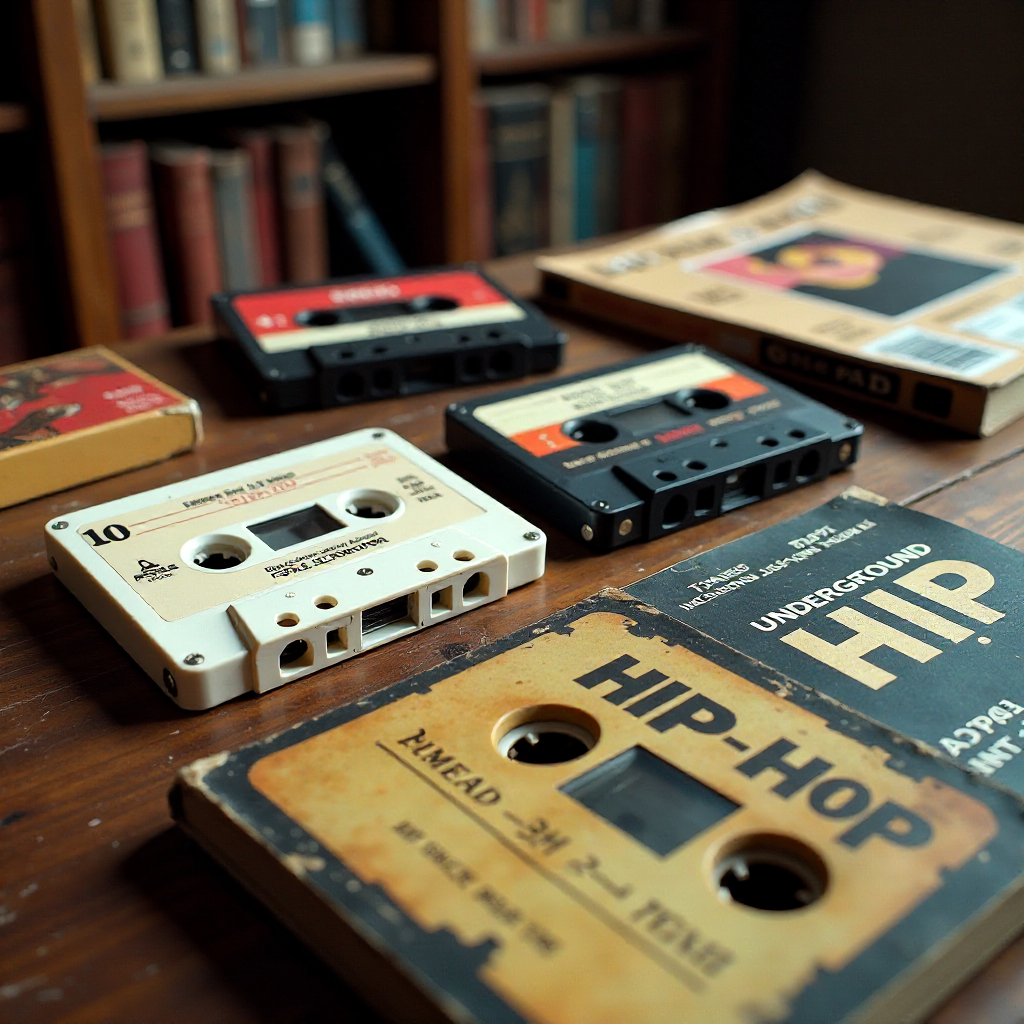
The cassette tape was the medium. The record store — specifically independent shops — was the distribution network. Zines and early internet forums were the press. This ecosystem was fragile and underfunded, but it was also fiercely productive, generating some of the most formally adventurous hip-hop ever recorded.
What emerged from these scenes wasn't a unified sound. It was a unified refusal: to simplify, to compromise, to write for an audience that wasn't paying attention.
Genre-Blending as a Defining Force
Alternative hip-hop's most durable characteristic is its willingness to absorb influences that mainstream rap historically kept at arm's length. Punk energy, jazz textures, rock abrasiveness, and electronic production weren't decorative additions — they fundamentally reshaped what hip-hop could sound like.
The genre-blending impulse came naturally from the same independent artistry ethos. Artists operating outside commercial structures had no format constraints. If a beat needed a distorted guitar or a piano loop that wouldn't resolve cleanly, there was no A&R rep asking them to reconsider. That freedom produced a genuinely hybrid music.
Punk's influence is particularly worth tracking. The DIY ethics, the confrontational energy, the suspicion of corporate infrastructure — these translated directly into alternative hip-hop's worldview. The sonic overlap came later, but the cultural alignment was there from the start. Artists working at the intersection of punk and rap weren't genre tourists; they were drawing from parallel countercultural traditions.
Jazz brought something different: harmonic sophistication, improvisational logic, and a performance culture built around musicianship rather than spectacle. Electronic production added texture and abstraction. The result was a genre that resisted easy categorization — which, functionally, also made it harder to market, and therefore harder for mainstream gatekeepers to co-opt quickly.
The Slow Burn to Mainstream Recognition
Alternative hip-hop didn't break through mainstream culture in a single moment — it accumulated presence over decades until the mainstream moved toward it. Three forces accelerated this shift: streaming platforms, visual storytelling, and direct artist-to-fan relationships.
Streaming removed the radio gatekeeper. An artist releasing challenging, non-commercial music in 2008 was functionally invisible to casual listeners; the same artist in 2016 could build an audience of 500,000 monthly listeners without a single radio spin. The economics of independent artistry changed completely. Catalog depth, which alternative artists often had in abundance, suddenly had monetizable value.
Visual storytelling changed the equation further. Music videos became short films. Album rollouts became world-building exercises. Creative direction — the visual identity that surrounds and amplifies the music — became as important as the tracks themselves. Artists who already operated with a coherent artistic vision had a structural advantage here.
The fan relationship piece is less discussed but equally important. Underground artists had always cultivated direct, loyal audiences out of necessity. When social media gave every artist a direct channel to listeners, those who had spent years building genuine community found their existing skills suddenly scaled.
Lyricism, Storytelling, and Creative Autonomy
At the core of alternative hip-hop is a commitment to narrative depth that mainstream rap rarely prioritizes. This isn't snobbery — it's a different set of values about what the art form should do.
Alternative hip-hop lyrics tend to reward close listening. Themes recur across albums, images accumulate meaning, and the narrator's voice is specific enough to feel like a person rather than a persona built for mass appeal. This creates a different kind of listener relationship — one built on genuine identification rather than aspirational projection.
Personal voice and artistic control are inseparable here. An artist who controls their own creative direction can take the long view: build a body of work, develop themes over multiple projects, experiment without fear of commercial failure. The alternative hip-hop tradition is full of artists whose best work came not from a breakthrough single but from a sequence of albums understood in relation to each other.
This approach has real costs. It often means slower audience growth, less radio-friendly output, and the persistent tension of doing work that demands active engagement from listeners. But the durability of the artists who commit to it is notable. Their audiences tend to stay.
Live Performance and the Visual Dimension
Alternative hip-hop artists have always understood that the music alone is not the complete work. Live performance, music videos, and deliberate visual identity are extensions of the same creative impulse — not promotional tools, but parts of the art itself.
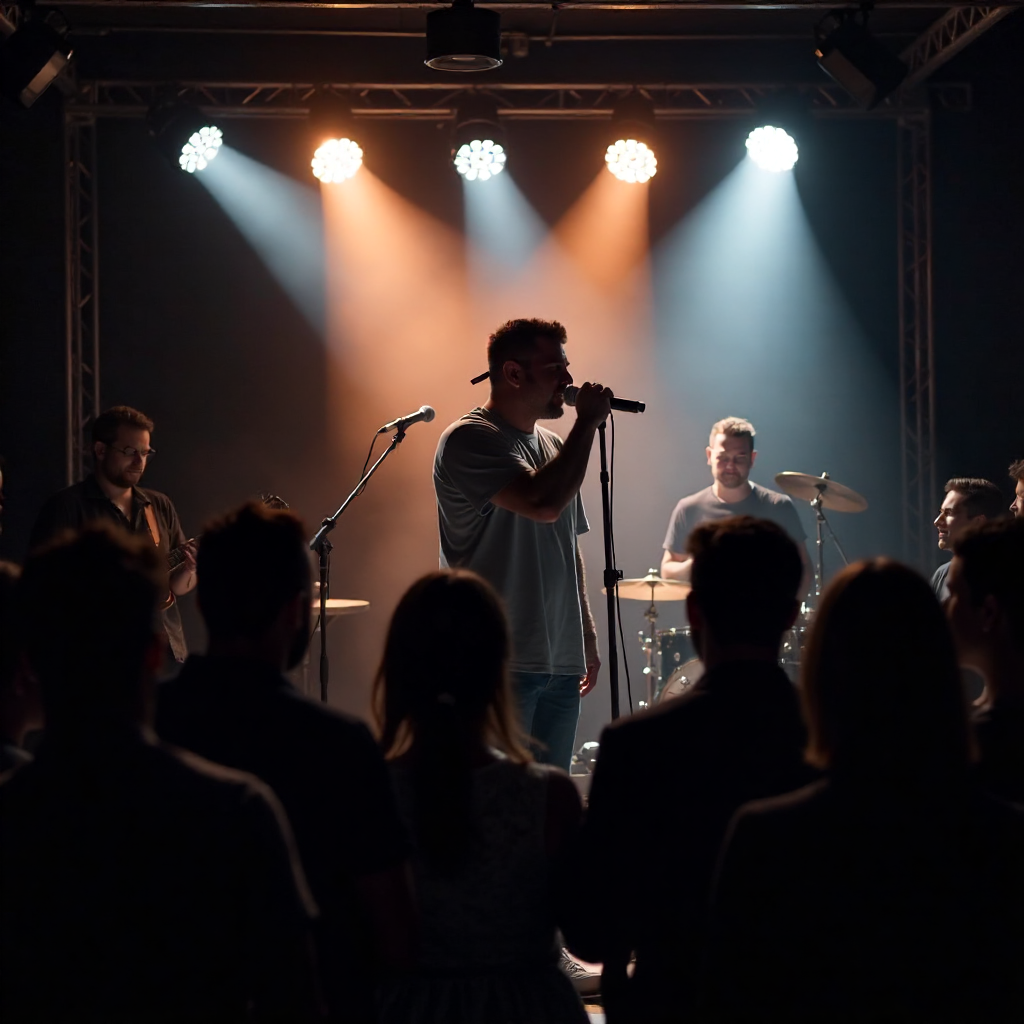
The live show in alternative hip-hop carries different expectations than mainstream rap. The audience isn't there purely for spectacle — they are there for the experience of music performed with intention. Energy, improvisation, and the sense that something real is happening on stage matter more than production scale. Some of the genre's most powerful performances have happened in rooms with no more than a few hundred people.
Visual identity has become increasingly central as the media landscape has fragmented. An artist's aesthetic — the way an album cover looks, the color palette of a music video, the design logic of their merch — communicates values before a single bar lands. For artists working at the intersection of hip-hop, punk, and experimental music, this visual coherence is often what distinguishes a project from a collection of tracks. It signals that someone is building a world, not just releasing content.
Live sessions and stripped-back performance recordings serve a specific purpose within this ecosystem: they prove the music exists outside of production. They are also, practically speaking, among the most shareable content an artist can create — intimate, direct, and technically demanding to fake.
Where Alternative Hip-Hop Stands Today
Alternative hip-hop has achieved mainstream recognition, but it hasn't resolved the tension that has always defined it. The question of how to maintain creative independence while operating at scale remains genuinely open — and genuinely interesting.
The current landscape is more porous than any previous era. Artists who would have been categorically underground a decade ago now appear on major playlists, collaborate with mainstream producers, and headline festivals. The sonic vocabulary of alternative hip-hop — the genre-blending, the lyrical density, the anti-formula production — has been absorbed into a broader cultural conversation about what hip-hop can be.
What hasn't changed is the underlying tension. Independent artistry and industry infrastructure have different incentive structures, and those structures pull in different directions. The artists navigating this most successfully tend to be the ones who are clear about their own values before the pressure arrives — who know what they will and won't compromise, and why.
The subculture-to-mainstream pipeline is now faster than ever, which creates its own distortions. Sounds that were underground two years ago can feel co-opted by the time a major label version arrives. The response from the most serious artists has been to move faster, build deeper, and invest more heavily in the elements that are hardest to replicate: genuine voice, coherent vision, and a community that was built rather than purchased.
Alternative hip-hop is not a historical artifact. It is an ongoing negotiation between creative independence and the world's appetite for what that independence produces.
Frequently Asked Questions
What is the difference between alternative hip-hop and rap?
Rap is the broader form; alternative hip-hop is a subset defined by its relationship to mainstream conventions. Most alternative hip-hop is rap, but it distinguishes itself through experimental production, lyrical complexity, and a DIY or independent ethos that resists commercial formulas. The difference is less about sound and more about creative stance and intent.
Which era is considered the peak of underground hip-hop?
The mid-1990s through the early 2000s is most often cited as the golden era of underground rap. Labels like Rawkus and Def Jux, alongside independent regional scenes, produced a concentrated body of work that remains influential. That said, the argument for the current era is legitimate — the tools available to independent artists today are unprecedented.
Can an artist be both alternative and mainstream?
Yes, and many are. Mainstream reach and alternative values are not mutually exclusive. The tension exists, but artists who maintain genuine creative control, even at scale, can reasonably claim both identities. Commercial success becomes a problem only when it requires abandoning the qualities that made the work distinctive in the first place.
How does punk influence show up in alternative hip-hop?
Primarily through attitude and infrastructure rather than sound. The DIY ethic, the confrontational stance toward corporate culture, and the commitment to building scenes outside mainstream channels are all punk inheritances. Sonically, the influence shows up in abrasive production choices, distorted textures, and an embrace of rawness over polish that runs counter to mainstream rap's production values.
What role does creative direction play in alternative hip-hop identity?
Creative direction has become central to how alternative hip-hop artists build and maintain identity. Visual coherence — across album artwork, music videos, live performance aesthetics, and overall presentation — communicates artistic values before the music is heard. For artists operating without major-label marketing budgets, a strong visual identity is one of the most effective ways to signal intentionality and build a distinct world around the work.