Exploring the DIY Ethos in Independent Music Production
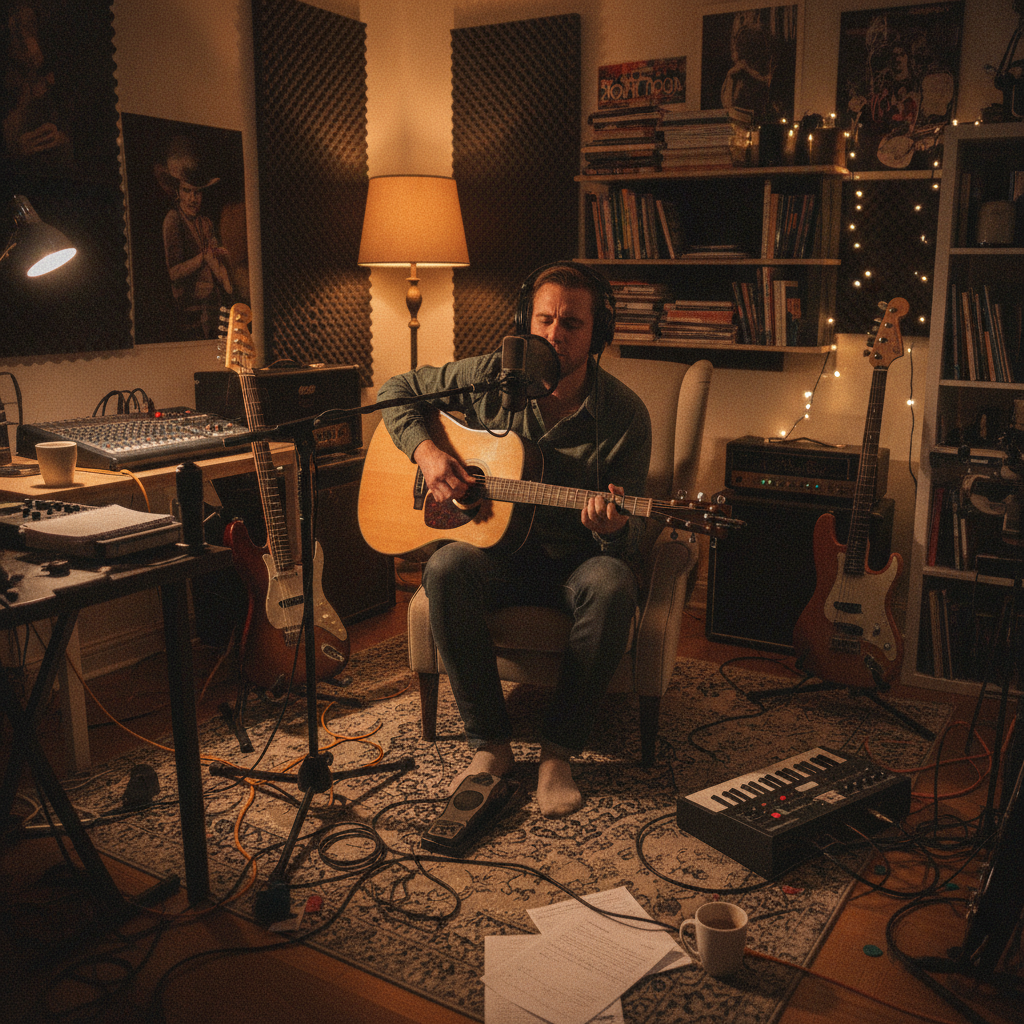
Independent music has always made room for artists who build their own path. The DIY ethos takes that independence into the creative process, encouraging musicians to write, record, produce, release, and learn through direct experience. A bedroom setup, a borrowed microphone, or a basic laptop can become the starting point for a deeply personal body of work.
DIY music production does require patience. You may need to solve technical problems, develop critical listening skills, and accept that your first recordings will not sound like finished commercial releases. The reward is meaningful: greater creative control, a clearer artist identity, and a process shaped around your music rather than someone else’s expectations.
What the DIY Ethos Means in Independent Music
The DIY ethos in independent music means taking direct responsibility for creative decisions, resources, and practical execution. It combines self-reliance with experimentation, allowing musicians to shape the work from the first songwriting idea to the final release.
DIY does not necessarily mean doing every task alone. It means remaining actively involved and making informed choices instead of automatically handing creative authority to a label, producer, or studio. An artist might write the song, program the drums, record the vocals at home, and then hire a mastering engineer for an outside perspective.
At its heart, DIY production asks useful questions: What can I make with the tools I have? Which imperfections communicate something real? How can the recording support the emotion of the song? This mindset often leads to unusual arrangements, intimate performances, and production choices that reflect the artist’s circumstances.
The approach also values learning by doing. A musician may begin with limited knowledge of microphones and gradually understand gain staging, editing, mixing, and delivery formats through repeated projects. Each finished track becomes both a piece of music and evidence of growing craft.
Why Independent Artists Choose to Produce Their Own Music
Independent artists produce their own music primarily to protect creative control, express their ideas directly, reduce costs, and build practical skills. Self-production also gives musicians flexibility when their schedules, budgets, or artistic direction do not fit a traditional studio process.
Creative control is often the strongest motivation. When you produce your own track, you decide whether the vocal stays raw, whether a guitar part remains slightly imperfect, or whether a chorus should arrive without the expected impact. Those decisions can define an artist identity more clearly than polished genre conventions.
Flexibility matters too. Home recording allows an artist to capture an idea at midnight, revisit a verse weeks later, or test five arrangements without watching studio time disappear. The financial advantage can be substantial, although DIY work replaces some spending with unpaid time and a long learning curve.
There is also personal expression. Songwriting and production become connected rather than separate stages. A sparse vocal take may inspire a more spacious arrangement; a distorted drum loop may change the emotional meaning of the lyrics. The recording process becomes part of composition.
Finally, independent production teaches transferable skills. Understanding a digital audio workstation, recording levels, file organization, and music distribution helps musicians communicate better with collaborators and make smarter decisions when they do hire professionals.
Building a DIY Production Setup
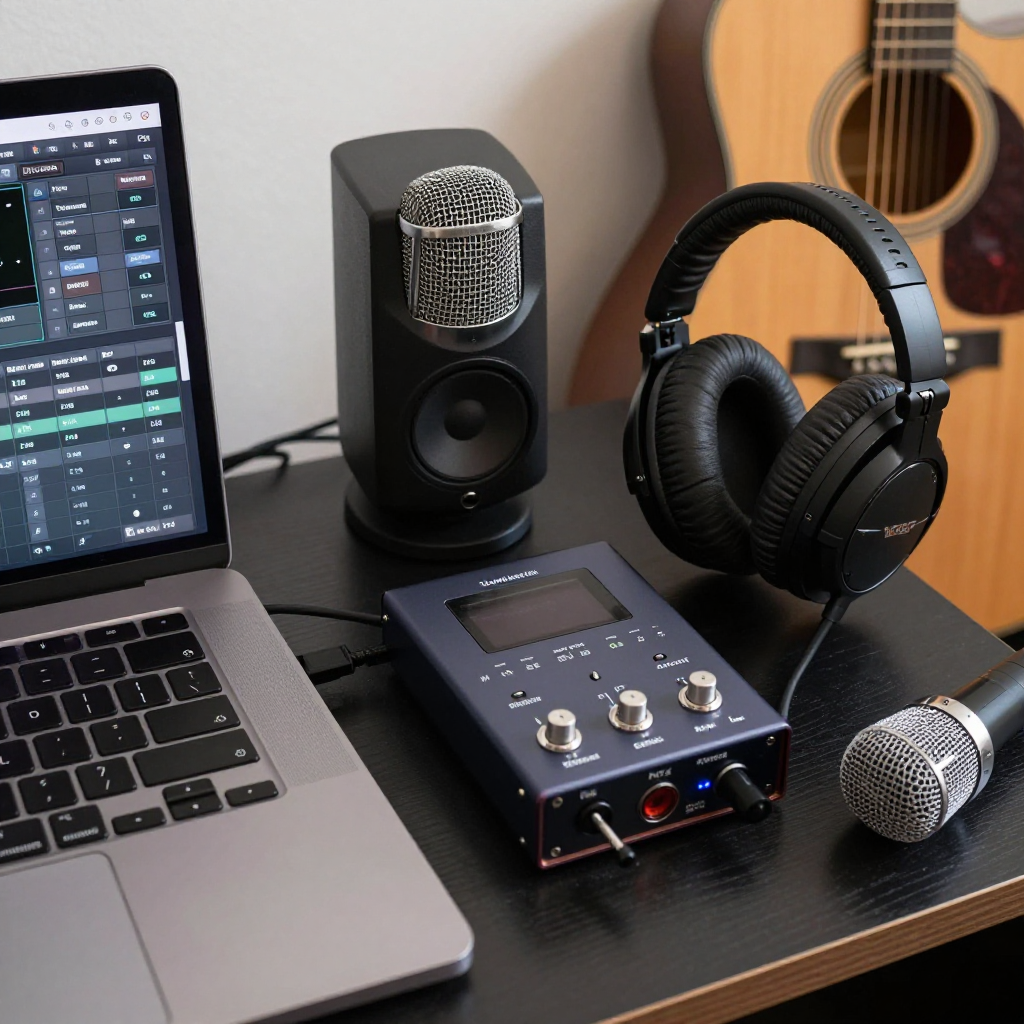
To build a DIY production setup, start with a quiet, workable space, a reliable computer, an audio interface, a suitable microphone, a DAW, headphones, and basic monitoring. Good decisions and consistent practice matter more than expensive equipment.
Your room is the first part of the signal chain. Choose the least reflective space available, keep the microphone away from bare walls, and use soft furnishings to reduce harsh reflections. You do not need a perfect studio, but you do need to learn how your room colors the sound.
- Computer: Use a system that can run your chosen DAW and several audio tracks without constant interruptions.
- Audio interface: An interface connects microphones and instruments to the computer and provides cleaner input control than a basic laptop connection.
- Microphone: Begin with one dependable microphone that suits your main source, whether that is vocals, acoustic guitar, or an amplifier.
- DAW: A digital audio workstation such as Reaper, Ableton Live, Logic Pro, or another accessible platform handles recording, editing, arrangement, and mixing.
- Headphones and monitoring: Closed-back headphones help during recording, while neutral speakers or familiar headphones help you judge balance during mixing.
Keep the setup simple enough that you can begin recording quickly. A complicated collection of plugins often creates decision fatigue. Learn the stock tools in your DAW first: volume, panning, equalization, compression, reverb, and automation.
The DIY Workflow: From Idea to Finished Track
To complete a DIY track, move through clear stages: develop the song, arrange it, record strong performances, edit carefully, mix for balance, master responsibly, and prepare accurate release files. Separating these stages prevents endless tweaking from replacing musical decisions.
1. Songwriting and arrangement
Begin with the strongest part of the idea, whether it is a lyric, melody, chord progression, beat, or sound. Record a rough demo before judging it. Then decide what the song needs: a second verse, a shorter introduction, a contrasting bridge, or more space around the vocal.
Arrangement is where production begins to serve songwriting. If every instrument plays throughout the track, the chorus may lose its impact. Try removing elements before adding new ones.
2. Recording and editing
Set recording levels conservatively and record multiple takes when performance matters. A technically clean take cannot replace emotional commitment. Comping, noise reduction, timing edits, and tuning can help, but excessive correction may remove character.
3. Mixing and mastering
Mixing creates balance between tracks through volume, panning, equalization, dynamics, effects, and automation. Start with the vocal or main instrument, then build around it. Compare the mix at low volume and check it on several systems.
Mastering prepares the finished mix for consistent playback and distribution. It can improve translation and level, but it cannot repair a crowded arrangement or a badly recorded source. Export high-quality files, preserve the final mix, and check metadata before using a music distribution service.
4. Release preparation
Create a simple release checklist covering artwork, credits, songwriter information, file names, lyrics, copyright details, and platform delivery requirements. Planning these tasks early prevents a finished song from sitting unused on a hard drive.
Creative Advantages and Common Challenges
DIY production offers unusual freedom and a distinctive sound, but it also demands technical judgment, time, and self-criticism. The same independence that protects an artist’s vision can make weak decisions harder to identify.
A major advantage is experimentation. You can reverse a vocal, record household percussion, leave room noise in an intro, or build an arrangement around an accidental sound without asking permission. These choices may become part of your signature.
The central challenge is divided attention. While recording, you are performer, engineer, producer, editor, and project manager. That workload can slow a release and make music feel like administration.
Common DIY mistakes
- Buying gear before building habits: People often assume better equipment will solve inconsistent recording. The correction is to finish several projects with your current setup before upgrading.
- Mixing without references: Familiarity can make a flawed mix sound acceptable. Compare your track with a few professionally released songs at matched listening levels, while remembering that arrangement and mastering will differ.
- Editing away every imperfection: Overcorrection often produces lifeless performances. Keep flaws that support timing, emotion, or character, and fix only distractions.
- Never stepping away: Repeated sessions can reduce objectivity. Print a version, take a day or two away, and return with specific questions rather than vague dissatisfaction.
Developing Skills Without Losing Your Artistic Voice
Develop production skills without losing your artistic voice by learning only the techniques that solve current musical problems. Let emotion, songwriting, and artist identity guide the technology rather than allowing software choices to dictate the song.
Use a focused learning cycle: identify one weakness, study one relevant technique, apply it to a real track, and listen the next day. For example, if vocals disappear in the chorus, learn basic compression and automation instead of watching broad tutorials about every mixing plugin.
Keep a creative rule alongside every technical goal. You might decide that the vocal must remain intimate, that the drums should feel human, or that no effect can obscure the lyric. These boundaries protect the reason the song exists.
Save alternate versions before major changes. A dry vocal, rough demo, or imperfect guitar take may contain more personality than the polished version. Building an artist identity often depends on recognizing which imperfections are meaningful.
Knowing When to Collaborate or Seek Professional Help
Collaborate or seek professional help when another person can solve a problem faster, provide useful objectivity, or improve the final result without taking ownership away from you. The DIY ethos supports purposeful collaboration when the artist remains clear about the creative direction.
A producer can help reshape an arrangement or unlock a stalled idea. A mixing engineer can bring fresh perspective after you have lived with the multitracks for weeks. A mastering specialist can check translation, loudness, and technical delivery for an important release.
Before involving someone, define the role and decision-making process. Share references, describe what must remain untouched, and agree on revisions and file delivery. You can retain songwriting and creative control while inviting expertise into one limited stage.
Sometimes the best collaboration is practical rather than prestigious. A musician friend may play a part that you cannot perform, or a trusted listener may identify that the second verse arrives too late. Choose help according to the song’s needs, budget, and deadline.
DIY Music Production FAQ
What does DIY music production mean?
DIY music production means creating and managing music through direct artist involvement, often using affordable home recording tools. It emphasizes independence, experimentation, and control rather than requiring one person to perform every role.
What equipment does an independent musician need to start recording?
An independent musician can start with a computer, DAW, audio interface, microphone or instrument connection, headphones, and a reasonably quiet room. Add equipment only when a specific limitation affects the music.
Can DIY music sound professional?
DIY music can sound clear, compelling, and release-ready when the artist develops strong recording and listening habits. Professional results depend on performance, arrangement, room conditions, editing, mixing, mastering, and suitable quality control, not equipment price alone.
Should independent artists mix and master their own music?
Artists can mix and master their own music, especially while learning, but outside feedback often improves objectivity. Hiring a specialist makes sense when the release matters greatly or technical problems remain after careful revision.
How can musicians stay creative while learning production?
Keep songwriting sessions separate from technical sessions, limit tutorials to immediate needs, and finish songs before endlessly refining them. Protect regular time for playing and experimentation without opening the DAW.
The DIY ethos gives independent musicians a practical way to turn ideas into finished work while developing a more deliberate artist identity. Start with the tools available, finish small projects, study the decisions that improved them, and bring in collaborators when their contribution serves the song. Independence is strongest when it expands your choices rather than forcing you to work alone.